
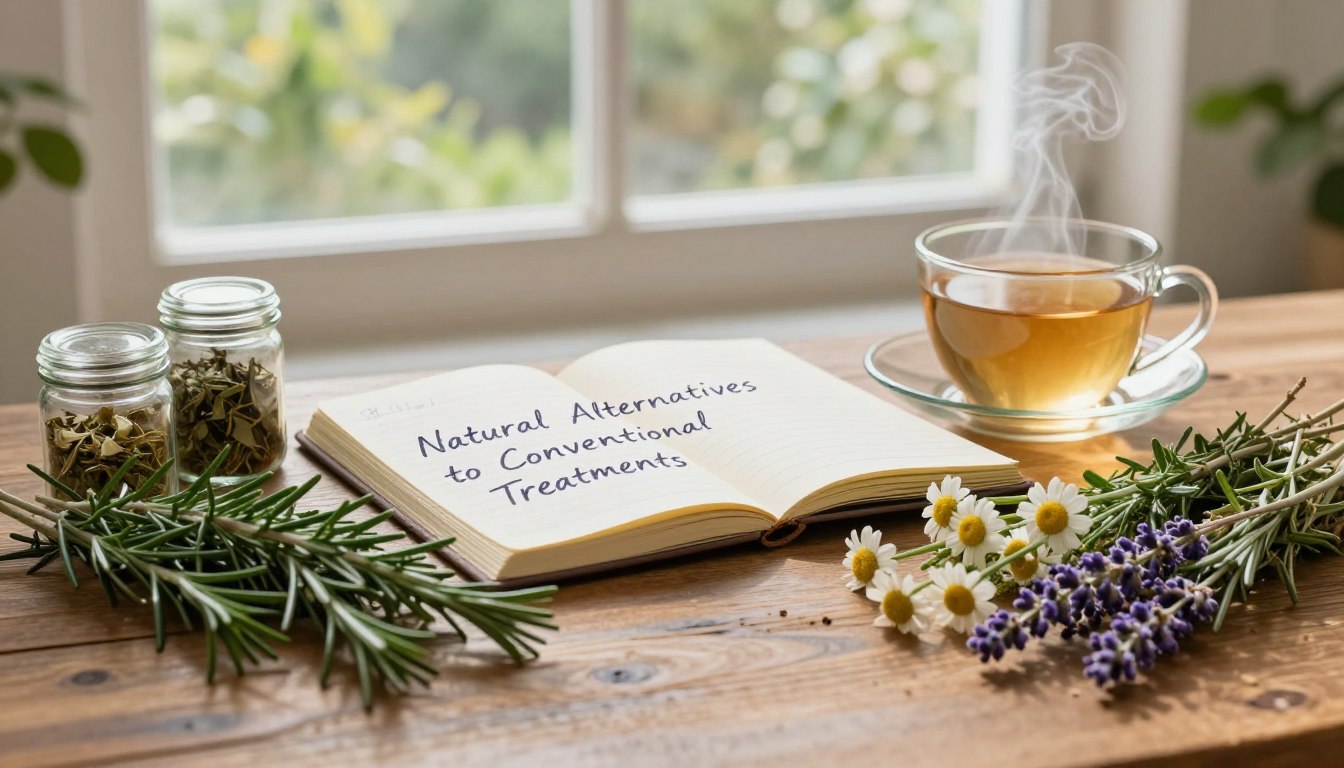
Did you know that nearly 40% of American adults now incorporate some form of holistic health practice into their daily wellness routines? This shift reflects a growing desire for a more balanced lifestyle that looks beyond standard medical care.
Many people are curious about how natural alternatives to conventional treatments can work alongside their current health plans. Exploring these options is an exciting step toward taking charge of your personal well-being.
Our guide is designed to help you navigate this landscape with confidence. We believe that informed decision-making is the most important part of any health journey. By understanding your choices, you can create a supportive path that honors your unique needs.
Key Takeaways
- Holistic health practices are becoming a mainstream choice for many Americans.
- Integrative care focuses on balancing modern medicine with supportive wellness habits.
- Informed choices are essential when exploring new health paths.
- This guide provides educational insights to help you feel empowered.
- Always consult with your primary healthcare provider before making significant changes.
Understanding Natural Alternatives to Conventional Treatments
The shift toward natural alternatives to conventional treatments is changing how we view personal health. Many individuals now seek a more balanced approach that considers the whole person rather than just specific symptoms. By exploring these options, you can take a more active role in your own wellness journey.
Defining Holistic and Complementary Therapies
It is helpful to clarify the terminology used in the wellness space. Holistic remedies focus on the connection between the mind, body, and spirit to promote overall health. These practices often aim to treat the root cause of an issue rather than just the surface-level signs.
On the other hand, complementary therapies are used alongside standard medical care. They are not meant to replace your doctor’s advice but rather to support your recovery and comfort. When used together, these methods form what many call alternative medicine, providing a broader toolkit for health management.
The Role of Traditional Healing Practices in Modern Wellness
For centuries, traditional healing practices have served as the foundation for health in many cultures. Today, these ancient methods are finding a new place in modern American life. Many people find comfort in time-tested techniques that emphasize natural balance and preventative care.
Modern wellness routines often incorporate these traditions to help manage stress and improve daily vitality. By blending historical wisdom with current lifestyles, you can create a sustainable path to feeling your best. This integration allows for a more personalized experience that respects both old and new knowledge.
Distinguishing Between Evidence-Based Remedies and Unproven Claims
Navigating the world of integrative therapies requires a sharp eye for quality information. Not every product or practice labeled as “natural” carries the same level of scientific backing. It is essential to look for peer-reviewed research and professional guidance before trying something new.
You should always prioritize safety by verifying the source of your information. If a claim sounds too good to be true, it often lacks the necessary evidence to support it. The following table helps illustrate the differences between various health approaches to guide your decision-making process.
| Approach | Primary Focus | Evidence Level |
|---|---|---|
| Conventional Medicine | Symptom management | High (Clinical trials) |
| Complementary Therapy | Supportive care | Moderate (Mixed studies) |
| Traditional Practices | Holistic balance | Historical/Anecdotal |
How to Safely Integrate Holistic Remedies into Your Routine
You can successfully blend traditional healing practices into your daily routine with the right approach. Transitioning toward a more natural lifestyle is an exciting journey that demands patience, awareness, and a commitment to your long-term well-being.
Consulting with Healthcare Professionals Before Starting
Before you begin any new regimen, it is vital to speak with your primary care physician. Even natural substances can interact with prescription medications or underlying health conditions. Open communication ensures that your medical team remains informed about all the integrative therapies you choose to pursue.
Identifying High-Quality Herbal Supplements and Products
Not all products on the market are created equal. When shopping for herbal supplements, look for brands that provide third-party testing results to verify purity and potency. You should prioritize companies that follow Good Manufacturing Practices (GMP) to ensure you are getting exactly what is listed on the label.
Step-by-Step Approach to Incorporating Non-Pharmaceutical Options
Adopting a structured method helps you track progress and maintain safety. By taking small, deliberate steps, you can better understand how your body reacts to new changes.
Assessing Your Current Health Needs
Start by identifying your specific wellness goals. Are you looking to improve sleep, boost energy, or manage daily stress? Understanding your baseline health allows you to choose holistic remedies that align with your unique requirements.
Starting with Gentle Lifestyle Adjustments
Begin by introducing one change at a time rather than overhauling your entire routine overnight. This could include:
- Adding a daily meditation practice to reduce cortisol levels.
- Incorporating specific herbal teas known for their calming properties.
- Adjusting your diet to include more whole, anti-inflammatory foods.
Monitoring Your Body’s Response to New Therapies
Keep a simple journal to track how you feel after starting any new naturopathic treatments. Note any changes in your energy, mood, or physical symptoms. If you notice any adverse reactions, stop the new addition immediately and consult your doctor.
Recognizing When Conventional Medicine is Necessary
While non-pharmaceutical options offer wonderful support for general wellness, they are not a replacement for emergency care. You must seek conventional medical intervention for acute injuries, severe infections, or chronic conditions that require specialized monitoring. Balancing both worlds is often the most effective way to protect your health and achieve lasting vitality.
Conclusion
Taking charge of your health requires a thoughtful blend of modern science and time-tested wisdom. You hold the power to shape your well-being by choosing the right tools for your unique body.
Integrating alternative medicine into your life works best when you keep your primary doctor informed. Open communication ensures that your chosen path remains safe and effective. This partnership creates a strong foundation for long-term vitality.
Many people find success by adding high-quality herbal supplements to their daily habits. These products often provide gentle support for common health goals. Always research brands like Gaia Herbs or Thorne to ensure you receive pure ingredients.
You might explore various complementary therapies to manage stress or improve sleep quality. These non-pharmaceutical options offer diverse ways to nurture your physical and mental state. Small changes often lead to significant improvements in how you feel each day.
Naturopathic treatments serve as a valuable piece of a larger health puzzle. View these methods as part of a comprehensive strategy rather than a replacement for essential medical care. Your commitment to an informed, balanced approach will guide you toward a healthier future.
What steps will you take today to improve your health? Share your experiences with these practices to help others on their own wellness paths.