
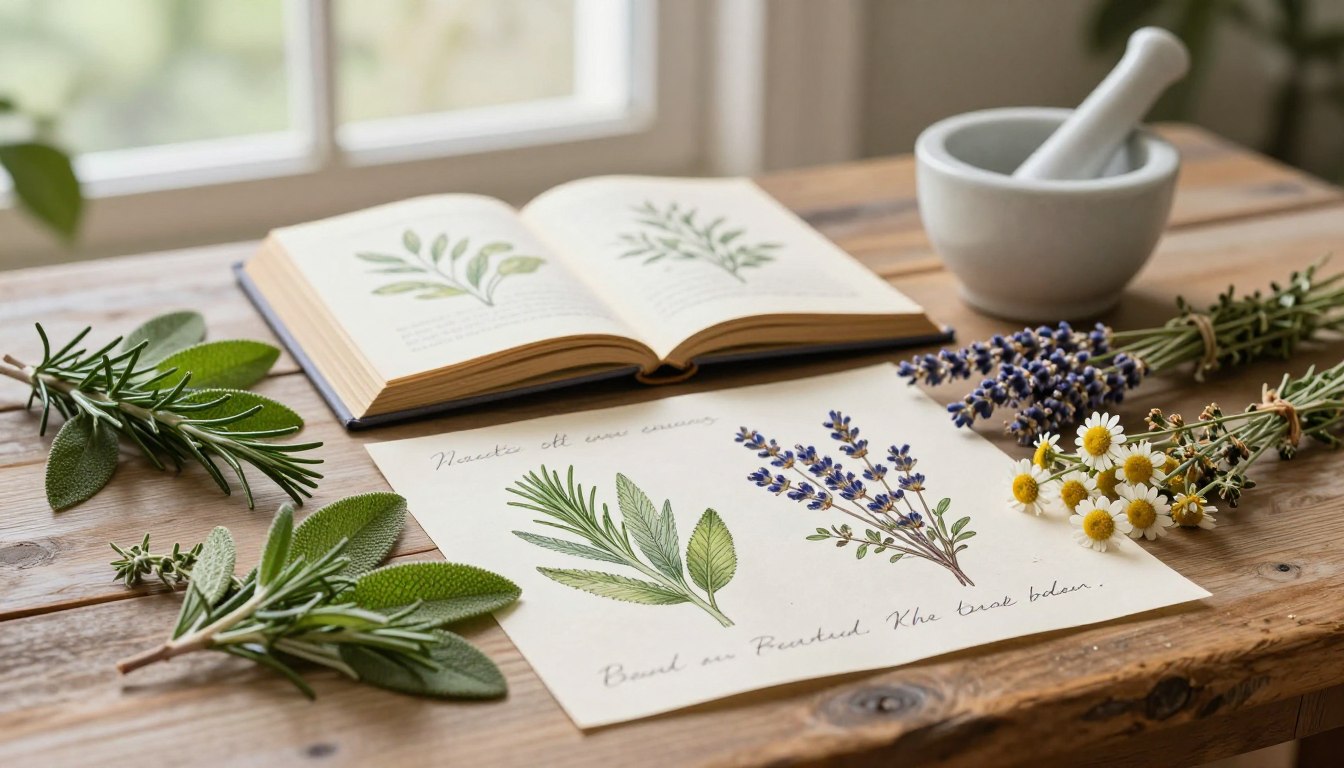
Did you know that over 80% of the global population relies on plant-based traditions for primary healthcare? This surprising statistic highlights the enduring power of natural remedies in our daily lives. People across the globe have turned to the earth for vitality for thousands of years.
Welcome to a journey exploring medicinal herbs and their benefits. We want to help you understand how herbal medicine can support a modern, healthy lifestyle. By learning about these ancient practices, you can feel empowered to take charge of your own wellness.
Whether you are curious about herbal remedies or simply want to add more healing herbs to your kitchen, this guide is for you. We will walk through the basics together in a friendly, easy way. Let us start this path toward better health today.
Key Takeaways
- Plant-based wellness has supported human health for centuries.
- Integrating botanical practices can enhance your modern lifestyle.
- Natural options provide a gentle approach to daily vitality.
- Beginners can easily start by incorporating simple plants into their routine.
- Understanding traditional knowledge helps you make informed health choices.
Understanding Medicinal Herbs and Their Benefits
The bridge between ancient traditions and modern science is built on the study of botanical health. By exploring medicinal herbs and their benefits, we can better appreciate how nature supports our biological systems. These plants offer a unique way to enhance your daily wellness through time-tested methods.
The History and Science of Herbal Medicine
For thousands of years, cultures across the globe have relied on herbal medicine to treat common ailments. Early civilizations documented the properties of various flora, creating a foundation for what we now study in laboratories. Today, researchers analyze these medicinal plants to understand how their chemical compounds interact with human cells.
Modern science confirms that many plants contain bioactive ingredients that influence our internal processes. This scientific validation helps us move beyond folklore and into a deeper understanding of how nature promotes healing. It is truly fascinating to see how ancient wisdom aligns with current clinical findings.
Distinguishing Between Supplements and Whole Herbs
When you begin your wellness journey, it is vital to know the difference between various product forms. Whole herbs consist of the plant in its natural state, often dried or ground, which provides a complex profile of nutrients. In contrast, herbal supplements are often processed to isolate specific active ingredients for higher potency.
The preparation method significantly changes how your body absorbs these substances. While whole herbs offer a balanced, gentle approach, supplements can provide a more concentrated dose. Always check labels to understand exactly what you are consuming to ensure it matches your health goals.
Safety First: Consulting with Healthcare Professionals
Before you integrate any new botanical product into your life, you must prioritize your safety. Even natural remedies can interact with prescription medications or underlying health conditions. Seeking guidance from a qualified healthcare professional is the smartest way to navigate the world of alternative medicine.
A doctor or a registered herbalist can help you identify which options are right for your specific needs. They provide the expertise required to avoid potential risks while maximizing the positive effects of your chosen regimen. Your health is your most valuable asset, so always make informed decisions with professional support.
How to Incorporate Healing Herbs into Your Daily Routine
Achieving better holistic health often begins with small, intentional changes in how you support your body. By integrating healing herbs into your lifestyle, you can create a sustainable path toward improved well-being. This process requires patience and a clear understanding of your personal needs.
Step 1: Identifying Your Wellness Goals
Before you begin, define exactly what you hope to achieve. Focusing on specific areas allows you to choose the most effective natural remedies for your unique situation.
Common Herbs for Stress Relief
If you struggle with daily tension, consider calming plants like chamomile, lemon balm, or ashwagandha. These healing herbs are widely recognized for their ability to soothe the nervous system and promote relaxation.
Herbs for Immune System Support
To bolster your natural defenses, look toward elderberry, echinacea, or astragalus. These powerful botanicals are staples in many herbal remedies for maintaining seasonal wellness.
Step 2: Selecting High-Quality Herbal Sources
The quality of your ingredients directly impacts the potency of your preparations. Always prioritize purity to ensure you are getting the most benefit from your plants.
Sourcing Organic Dried Herbs
When purchasing, seek out reputable suppliers who provide certified organic products. High-quality dried herbs should retain their vibrant color and distinct aroma, which indicates freshness.
Growing Your Own Medicinal Garden
Cultivating your own garden offers the ultimate control over your supply. Starting with easy-to-grow plants like peppermint or calendula is a fantastic way to connect with your natural remedies.
Step 3: Preparing Your Herbal Remedies
Once you have your materials, you can begin crafting your own preparations. The following table outlines common methods for utilizing these plants at home.
| Method | Best For | Preparation Time |
|---|---|---|
| Herbal Tea | Daily hydration and mild support | 5-10 minutes |
| Infused Oil | Topical skin care and massage | 2-4 weeks |
| Tincture | Concentrated, long-term use | 4-6 weeks |
Brewing Therapeutic Herbal Teas
Teas are the simplest way to enjoy herbal remedies daily. Simply steep your chosen dried herbs in hot water for several minutes to extract their beneficial compounds.
Creating Infused Oils and Tinctures
For more concentrated applications, you can infuse oils or create alcohol-based tinctures. These methods allow you to preserve the essence of your healing herbs for months at a time.
Step 4: Monitoring Your Body’s Response
Every individual reacts differently to plant-based support. It is essential to listen to your body throughout this process to ensure your holistic health journey remains safe.
Keeping a Wellness Journal
Documenting your daily intake and how you feel afterward is highly recommended. A journal helps you identify which natural remedies work best for your specific constitution.
Adjusting Dosages and Frequency
Start with small amounts to see how your body responds. If you do not notice the desired effects, you can gradually adjust the frequency or dosage of your herbal remedies under careful observation.
Conclusion
Your journey toward better vitality starts with the small, intentional choices you make every single day. Integrating medicinal plants into your lifestyle offers a powerful way to support your body’s innate ability to heal and thrive.
True holistic health requires a commitment to quality and a deep respect for the potency of nature. Always prioritize sourcing pure ingredients from reputable brands like Mountain Rose Herbs or Gaia Herbs to ensure you receive the best possible benefits.
Navigating the world of herbal supplements can feel complex at first. Relying on guidance from qualified practitioners ensures that your approach to alternative medicine remains safe and effective for your unique needs.
Stay curious as you explore these natural tools. Your dedication to learning about these ancient remedies will empower you to maintain balance and long-term wellness. Share your experiences with friends or join local wellness communities to keep your momentum strong as you continue this rewarding path.