
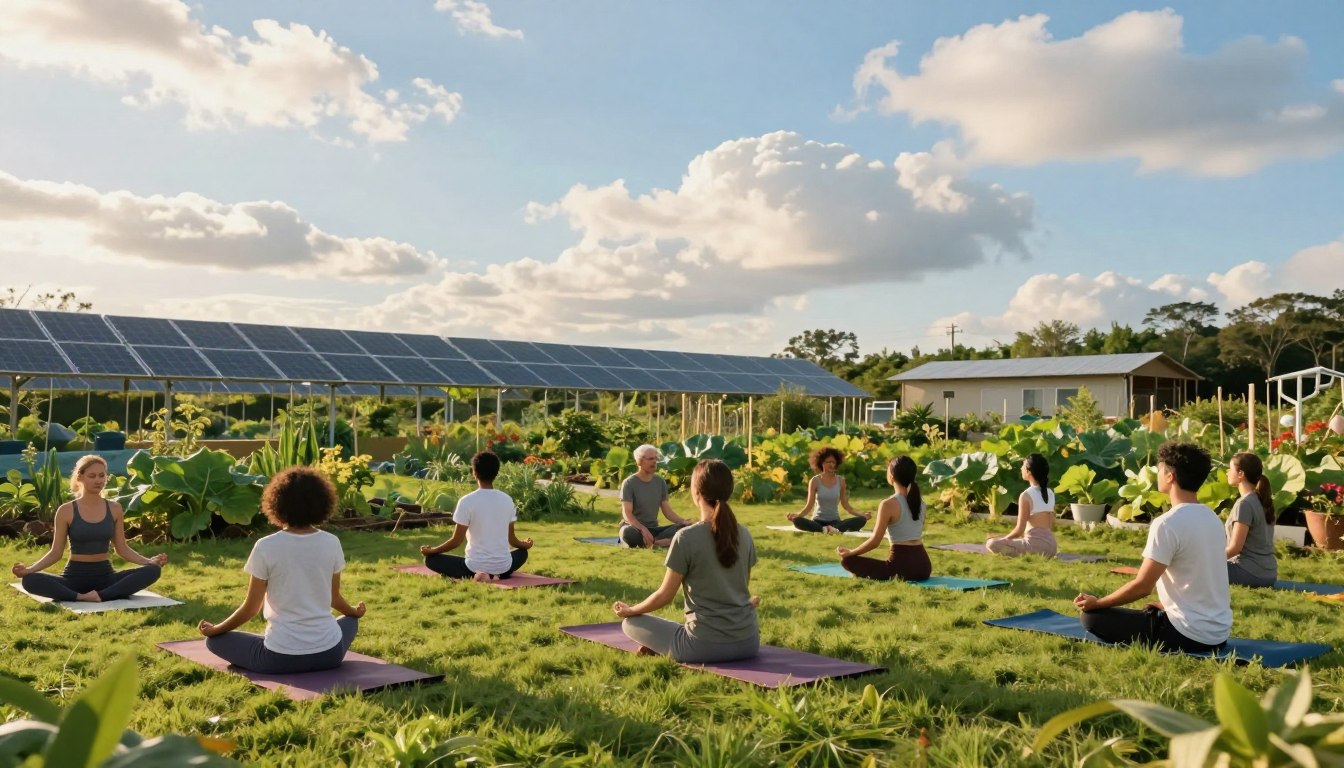
Did you know that 80% of your personal environmental footprint is tied directly to the daily choices you make? Most people view their physical state as separate from the world around them, but the two are deeply linked. Embracing sustainable health and wellness practices allows you to nurture your body while protecting the planet.
This journey is not about perfection or radical life overhauls. Instead, it focuses on small, consistent shifts that create lasting change. By choosing conscious habits, you improve your vitality while reducing your ecological impact. This main_keyword approach helps you feel better every single day.
We invite you to explore how simple adjustments in your routine lead to significant improvements. Let us embark on this transformative path toward a more conscious lifestyle together.
Key Takeaways
- Small daily habits create a massive positive impact on your long-term vitality.
- Personal well-being is intrinsically connected to the health of our environment.
- Consistency matters more than intensity when building a better lifestyle.
- Mindful choices reduce your ecological footprint while boosting your energy levels.
- You can start your journey toward a conscious life with simple, manageable steps today.
Foundations of Sustainable Health and Wellness Practices
Sustainable health and wellness practices are rooted in the understanding that we are part of a larger ecosystem. When we view our bodies as extensions of the natural world, our approach to self-care shifts from simple maintenance to a deeper, more meaningful engagement with life. This perspective encourages us to make choices that benefit both our internal state and the external environment.
Defining Holistic Health in an Eco-Conscious World
Holistic health is often misunderstood as merely treating symptoms or focusing on diet alone. In an eco-conscious world, this concept expands to include the interconnectedness of physical, mental, and ecological systems. It recognizes that our well-being is inseparable from the quality of the air we breathe, the water we drink, and the soil that grows our food.
To truly embrace this approach, consider these core pillars of a balanced lifestyle:
- Mindful Awareness: Recognizing how daily habits impact personal energy levels.
- Ecological Responsibility: Choosing products that minimize harm to the planet.
- Systemic Integration: Understanding that a healthy body thrives best in a healthy environment.
The Connection Between Personal Vitality and Environmental Health
The link between our personal vitality and the health of the planet is undeniable. When we prioritize environmentally conscious health solutions, we reduce our exposure to toxins and support systems that sustain life. This creates a positive feedback loop where a healthier environment leads to a more vibrant, energetic version of ourselves.
“The health of the land and the health of the people are one and the same. We cannot hope to be truly well while the systems that support us are in decline.”
By adopting this mindset, you move beyond temporary fixes and toward long-term resilience. Every sustainable choice you make acts as an investment in your future vitality. This foundational knowledge serves as the starting point for transforming your daily routine into a force for good.
Cultivating Eco-Friendly Nutrition Habits
Your daily food choices serve as a powerful tool for personal wellness and environmental stewardship. By making intentional decisions about what you eat, you contribute to a healthier body and a more sustainable planet. Embracing an eco-friendly lifestyle begins with understanding the journey your food takes from the farm to your table.
Prioritizing Locally Sourced and Seasonal Produce
Choosing food that is grown nearby is one of the most effective ways to reduce your carbon footprint. When you buy seasonal items, you support natural growing cycles and avoid the heavy energy costs of long-distance shipping. These eco-friendly wellness trends focus on quality and freshness while honoring the earth’s natural rhythm.
Benefits of Farmers Markets
Shopping at local farmers markets offers a unique opportunity to connect with your community. You gain access to nutrient-dense, vine-ripened produce that often lacks the heavy packaging found in supermarkets. Supporting local agriculture keeps money within your neighborhood and encourages biodiversity in your region.
Reducing Food Waste Through Mindful Meal Planning
Mindful meal planning is a simple yet transformative habit for any kitchen. By taking time to inventory your pantry before shopping, you prevent over-purchasing and ensure that every ingredient gets used. Reducing food waste not only saves you money but also lessens the burden on landfills and lowers methane emissions.
Transitioning Toward Plant-Forward Eating
Shifting your diet toward more plant-based options is a cornerstone of modern health. A plant-forward approach emphasizes whole grains, legumes, fruits, and vegetables as the primary components of your meals. This shift is widely recognized among eco-friendly wellness trends for its ability to improve heart health while requiring fewer natural resources like water and land.
| Habit | Environmental Impact | Personal Benefit |
|---|---|---|
| Seasonal Eating | Lower carbon footprint | Higher nutrient density |
| Meal Planning | Less landfill waste | Better budget management |
| Plant-Forward | Reduced water usage | Improved cardiovascular health |
Integrating Natural Wellness Strategies into Daily Life
Natural wellness strategies are the key to balancing personal health with environmental care. By making intentional choices, you can align your fitness goals with a lifestyle that respects the earth. These eco-friendly wellness trends help you feel better while reducing your overall footprint.
Embracing Green Living Tips for Physical Activity
Staying active is essential, but the way you exercise matters just as much as the movement itself. Incorporating green living tips into your routine ensures that your workouts support both your body and the planet.
Choosing Sustainable Activewear and Gear
The fashion industry often relies on synthetic materials that harm the environment. Instead, look for activewear crafted from recycled polyester, organic cotton, or bamboo fibers. These materials are durable, breathable, and significantly better for the ecosystem.
- Prioritize brands that use non-toxic, water-based dyes.
- Invest in high-quality gear that lasts longer to reduce waste.
- Support companies with transparent supply chains and fair labor practices.
Utilizing Outdoor Spaces for Mental Clarity
Nature provides the perfect backdrop for physical activity and stress relief. Stepping outside to walk, run, or practice yoga allows you to disconnect from digital screens and reconnect with the natural world.
Fresh air and sunlight are proven to boost mood and improve mental focus. Whether it is a local park or a nearby trail, utilizing outdoor spaces is a simple way to enhance your daily wellness.
Reducing Exposure to Environmental Toxins
Your immediate surroundings play a major role in your long-term health. Many common household items and personal care products contain hidden chemicals that can disrupt your body’s natural balance.
Adopting green living tips to minimize these toxins is a vital step in your journey. Focus on these simple changes to create a safer home environment:
- Switch to natural, plant-based cleaning supplies to improve indoor air quality.
- Choose personal care products that are free from parabens and synthetic fragrances.
- Use glass or stainless steel containers to store food and water.
By following these eco-friendly wellness trends, you protect your health from unnecessary chemical exposure. Small, consistent shifts in your daily habits lead to significant improvements in your overall vitality.
Creating an Environmentally Conscious Home Sanctuary
Cultivating an eco-friendly lifestyle begins right at your front door. Your living space should function as a restorative haven that supports both your physical health and the planet. By making intentional choices about the items you bring into your home, you create a foundation for long-term vitality.
Selecting Non-Toxic and Sustainable Household Products
Many conventional household items contain synthetic fragrances and volatile organic compounds that can linger in your living space. Transitioning to sustainable alternatives helps reduce your chemical footprint significantly. Prioritizing items made from renewable materials is a simple way to support a healthier indoor environment.
Identifying Eco-Friendly Cleaning Solutions
You do not need harsh chemicals to maintain a spotless home. Simple, natural wellness strategies often involve using pantry staples like white vinegar, baking soda, and lemon juice. These ingredients effectively cut through grime without leaving behind toxic residues that affect your respiratory health.
Improving Indoor Air Quality Naturally
Stagnant air can trap pollutants, making it essential to prioritize proper ventilation. Opening windows daily allows fresh air to circulate, which is vital for maintaining a healthy home. Additionally, incorporating indoor plants like spider plants or snake plants acts as a natural filtration system to purify your air.
Optimizing Energy Efficiency for Better Sleep Hygiene
Your bedroom should be a sanctuary designed for deep, restorative rest. Optimizing energy efficiency in this space not only lowers your utility bills but also creates a more comfortable sleeping environment. Using blackout curtains made from organic fabrics helps regulate room temperature while blocking unwanted light.
Consider replacing traditional bulbs with energy-efficient LED lighting to reduce heat output. By integrating these natural wellness strategies, you minimize your environmental impact while ensuring your bedroom remains a cool, quiet, and peaceful retreat. Embracing an eco-friendly lifestyle at home is a powerful step toward a more balanced and sustainable future.
Adopting Sustainable Self-Care Habits
Elevating your daily routine requires a shift toward more intentional and sustainable self-care habits. By aligning your personal rituals with the needs of the environment, you create a deeper sense of harmony. This approach ensures that your pursuit of holistic health does not come at the expense of the planet.
Mindful Consumption of Wellness Products
Mindful consumption is a cornerstone of a conscious lifestyle. When selecting wellness items, look for brands that prioritize ethically sourced ingredients and minimal, recyclable packaging. Choosing products with a smaller carbon footprint is one of the most effective green living tips you can implement today.
Consider the lifecycle of every item you bring into your home. By opting for reusable tools and bulk-refillable options, you significantly reduce waste. This intentionality transforms simple purchases into meaningful acts of environmental stewardship.
Practicing Eco-Therapy and Nature-Based Mindfulness
Eco-therapy invites you to reconnect with the natural world to ground your mind and reduce anxiety. Spending time in green spaces helps lower cortisol levels and improves overall mental clarity. You can practice nature-based mindfulness by simply sitting in a park, focusing on the sounds of the wind, or walking barefoot on grass.
These moments of stillness foster a profound appreciation for the earth. When you integrate these practices into your week, you strengthen your bond with the environment. This connection is vital for maintaining long-term emotional balance and resilience.
Supporting Green Healthcare Practices
Advocating for green healthcare practices is essential for a sustainable future. Many modern clinics are now focusing on reducing medical waste and improving energy efficiency. By choosing providers who value both patient outcomes and ecological impact, you support a shift toward a more responsible medical system.
| Wellness Category | Traditional Approach | Sustainable Alternative |
|---|---|---|
| Personal Care | Single-use plastic bottles | Refillable glass containers |
| Mental Health | Indoor digital therapy | Outdoor eco-therapy sessions |
| Medical Care | High-waste clinical settings | Eco-conscious, low-waste clinics |
Ultimately, your choices influence the broader wellness industry. By demanding transparency and sustainability, you encourage more businesses to adopt holistic health standards. Every small change contributes to a healthier world for everyone.
Conclusion
Your journey toward a healthier life creates ripples that extend far beyond your own home. Every choice you make to prioritize environmentally conscious health solutions serves as a powerful vote for a cleaner planet. Small shifts in your daily routine build the momentum needed for lasting global change.
Building sustainable self-care habits empowers you to take control of your vitality while respecting natural resources. Brands like Seventh Generation or Dr. Bronner’s offer simple ways to align your personal care with your values. These intentional decisions turn routine tasks into meaningful acts of stewardship.
Advocating for green healthcare practices ensures that the medical systems we rely on move toward a more regenerative future. You hold the power to influence these standards by choosing providers who prioritize eco-friendly operations. Your voice matters in the push for a healthier world.
Keep moving forward with the knowledge that your commitment makes a difference. Share your progress with friends or family to inspire others to start their own path. A brighter, more sustainable future begins with the actions you take today.