
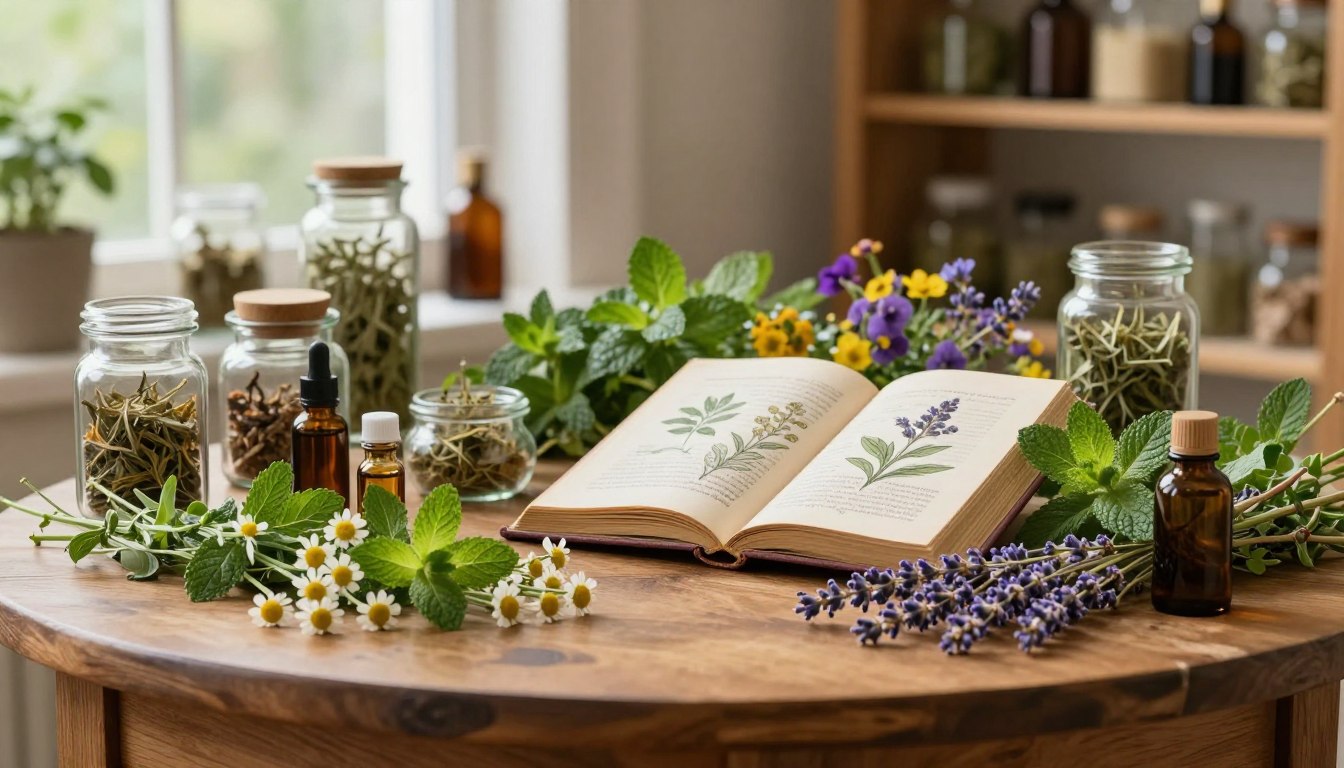
Did you know that nearly 80% of the global population relies on botanical traditions to support their daily health? This staggering figure highlights a growing shift toward gentle, plant-based care in our fast-paced world.
Many people are now rediscovering the power of time-tested botanical practices to manage everyday wellness. By blending ancient wisdom with modern understanding, you can easily take charge of your personal health journey.
Exploring these natural solutions offers a friendly starting point for anyone curious about the healing potential of the earth. You will find that many minor health concerns respond beautifully to simple, accessible methods that honor your body’s natural rhythm.
Key Takeaways
- Botanical traditions are used by a vast majority of the global population for daily health.
- Integrating traditional knowledge with modern science empowers personal wellness.
- Nature provides accessible, gentle ways to manage everyday health concerns.
- Small, consistent botanical practices can lead to significant long-term benefits.
- Starting a wellness journey with plants is both simple and highly effective.
Getting Started with Herbal Remedies for Common Ailments
Starting your wellness journey with botanical support is an empowering way to take charge of your daily health. When you begin exploring herbal remedies for common ailments, it is vital to approach the process with a curious yet cautious mindset. Respecting the inherent potency of plants ensures that you honor your body’s unique biological responses.
Understanding the Basics of Herbal Medicine
The foundation of herbal medicine basics lies in the synergy between human physiology and plant chemistry. You should always start by researching the specific properties of an herb before incorporating it into your routine. This knowledge helps you select plants that align perfectly with your personal wellness goals and lifestyle needs.
Remember that natural does not always mean mild. Even gentle herbs can have significant effects on your system, so starting with small amounts is a wise practice. By observing how your body reacts, you can build a safe and effective foundation for your home apothecary.
Identifying Common Ailments Suitable for Natural Care
Many minor health concerns are well-suited for natural care for ailments when managed with patience and consistency. You might look toward botanical support for occasional digestive discomfort, seasonal fatigue, or minor skin dryness. These everyday issues often respond beautifully to simple, plant-based interventions.
The following table outlines some common herbs often used for minor wellness support:
| Herb Name | Primary Use | Best Form |
|---|---|---|
| Peppermint | Digestive comfort | Warm tea |
| Chamomile | Relaxation | Infusion |
| Calendula | Skin irritation | Topical salve |
| Ginger | Nausea relief | Fresh root tea |
Always prioritize your comfort and listen to your body’s signals. If a condition persists or feels severe, it is important to seek professional guidance rather than relying solely on home methods. Maintaining this balance ensures that your experience with plants remains both safe and rewarding.
Step-by-Step Guide to Preparing Natural Remedies
Transforming raw botanicals into effective health solutions is simpler than you might think. By mastering a few core methods, you can create consistent, potent preparations that support your daily well-being. This guide provides the foundational skills needed to bring traditional herbal wisdom into your modern kitchen.
Preparing Soothing Herbal Teas for Digestive Issues
Learning how to prepare herbal tea is the most accessible way to support your system. When you focus on digestive health herbs like peppermint, ginger, or fennel, you can quickly address minor discomforts after a meal.
Selecting Quality Dried Herbs
The foundation of any effective tea is the ingredients you choose. Always prioritize dried herb quality by sourcing organic botanicals that retain their vibrant color and aromatic scent. Avoid herbs that appear dusty or lack a distinct smell, as these have likely lost their therapeutic potency.
Steeping Techniques for Maximum Potency
To extract the full benefits, you must master proper herbal steeping techniques. Use a covered vessel to prevent volatile oils from escaping with the steam. Patience is key; allowing your tea to steep for at least ten to fifteen minutes ensures a robust infusion.
“Nature is not a place to visit. It is home.”
Creating Topical Salves for Skin Irritation
Beyond internal support, you can craft homemade topical salves to soothe the surface of your body. These balms act as natural skin irritation remedies, providing a protective barrier that locks in moisture while delivering plant-based relief.
Choosing Carrier Oils and Beeswax
The texture and effectiveness of your salve depend on your choice of carrier oils for salves. Olive, almond, or jojoba oils are excellent bases that absorb well into the skin. When combined with high-quality beeswax, they create a stable, easy-to-apply consistency that stays effective for months.
Infusion Methods for Calendula and Chamomile
To maximize the chamomile infusion benefits, gently warm your chosen oil with the dried flowers over low heat for several hours. You can also use calendula infusion methods by placing the herbs in a glass jar covered with oil, letting it sit in a sunny spot for two weeks. This slow process ensures that the skin-soothing compounds are fully transferred into the oil for your final product.
Safety Precautions and Best Practices for Home Use
While natural remedies offer many benefits, prioritizing your safety is the most important step in any home wellness routine. Following proper herbal safety precautions ensures that your journey into natural healing remains both effective and risk-free. By adhering to these home herbal use guidelines, you can confidently explore the power of plants in your daily life.
Consulting with Healthcare Professionals
Before you begin any new regimen, it is vital to speak with a qualified expert. Consulting healthcare providers is especially important if you are currently taking prescription medications or managing chronic health conditions.
Herbs can sometimes interact with conventional medicine in unexpected ways. A doctor or pharmacist can help you identify potential risks and ensure that your chosen herbs support your overall health goals without interference.
Recognizing Potential Allergic Reactions
Even natural substances can trigger sensitivities in some individuals. Identifying allergic reactions early is a key skill for any home practitioner to master.
If you are trying a new herb for the first time, consider performing a simple patch test on your skin. Watch for common signs of a reaction, such as:
- Redness or itching at the application site
- Unexpected skin rashes or hives
- Swelling or difficulty breathing
If you notice any of these symptoms, discontinue use immediately and seek medical advice. Your safety is always the top priority when working with new botanical ingredients.
Proper Storage and Shelf Life of Herbal Preparations
The longevity of your remedies depends heavily on how you keep them. Storing herbal preparations in a cool, dark, and dry place is essential to maintain their potency and prevent spoilage.
Exposure to direct sunlight, heat, or moisture can degrade the active compounds in your herbs. To maximize herbal shelf life, consider these best practices:
- Use airtight glass containers to keep out air and contaminants.
- Label every jar with the name of the herb and the date it was prepared.
- Keep your supplies away from the stove or bathroom, where humidity levels fluctuate.
By keeping your workspace organized and clean, you ensure that your remedies remain fresh and effective for as long as possible. Consistency in your storage habits will lead to a much more rewarding experience with your home-made preparations.
Conclusion
Integrating natural solutions into your daily life creates a powerful foundation for long-term vitality. You now possess the knowledge to curate a personal apothecary that supports your body through gentle, plant-based care.
Consistency remains the secret to success when adopting these habits. Small, intentional changes often lead to the most significant improvements in your overall health journey.
Prioritize your education by exploring reputable sources like the American Botanical Council. Staying informed ensures you use herbs with confidence and precision.
Applying these holistic wellness tips helps you build a stronger connection with the environment. You gain a sense of empowerment by taking charge of your self-care routines using ingredients found in nature.
Share your experiences with friends or family members interested in plant-based living. Building a community around these practices makes the transition to a healthier lifestyle much more enjoyable.
Keep this guide nearby as you continue your exploration of herbal medicine. Your commitment to learning will serve you well as you refine your approach to wellness over time.